


Harnessing the Power of Artificial Intelligence to Amplify SEO Success
3/6/20267 min read
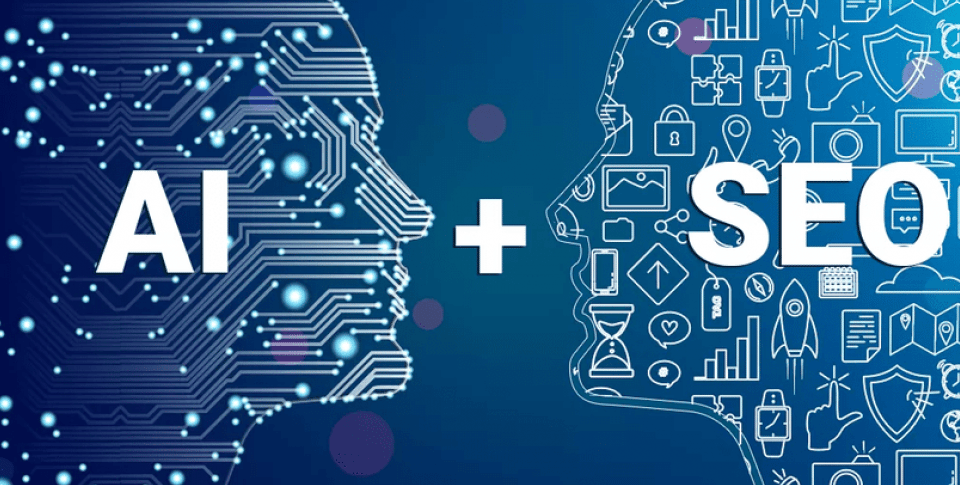
Introduction to Artificial Intelligence in SEO
In recent years, artificial intelligence (AI) has emerged as a transformative force across various industries, including digital marketing. Within the realm of Search Engine Optimization (SEO), AI technologies are proving to be invaluable in shaping and enhancing SEO strategies. By leveraging machine learning algorithms, natural language processing, and data analytics, businesses can significantly improve their online presence and website performance.
Artificial intelligence enables marketers to analyze large volumes of data quickly and efficiently, allowing for a deeper understanding of user intent and behavior. This capability facilitates the development of more targeted and effective SEO strategies, addressing the need for relevant content that aligns with search engine algorithms and user queries.
Moreover, AI tools have proven beneficial in keyword research, content creation, and performance monitoring. These technologies can identify trending keywords, suggest relevant topics, and even generate content that meets SEO optimization standards. Consequently, businesses can enhance their website visibility and ranking on search engine results pages, ultimately driving traffic and engagement.
As the digital landscape continues to evolve, the integration of AI in SEO is becoming increasingly important. SEO optimization is not just about manipulating algorithms anymore; it is about delivering exceptional user experiences through innovative digital solutions. By harnessing the power of artificial intelligence, organizations can stay ahead in the competitive digital marketing environment, ensuring their websites are optimized for both search engines and the users they aim to serve.
The Role of AI in Keyword Research
Artificial Intelligence (AI) has emerged as a transformative force in the realm of digital marketing, particularly in the area of keyword research, which is crucial for effective Search Engine Optimization (SEO). Traditional methods of keyword research often rely on manual analysis and guesswork, leading to inconsistencies and inefficiencies. However, AI algorithms have revolutionized this process by utilizing sophisticated data analysis techniques to identify high-potential keywords that align closely with user intent.
One of the key advantages of AI-driven tools in keyword research is their ability to analyze vast amounts of search data across various platforms. These tools utilize machine learning to discern patterns in user behavior, enabling marketers to understand not only what keywords are popular but also why they are relevant. This insight allows for a more strategic approach to keyword selection, ensuring that web content is tailored to meet specific audience needs.
Moreover, AI tools can evaluate the competition for various keywords, identifying gaps in the market that may present opportunities for engagement. By suggesting high-performing keywords based on real-time data, AI enhances the overall SEO strategy for businesses, ensuring that the content produced is resonant and relevant. In this way, companies can maintain a competitive edge in highly saturated markets.
The integration of AI in keyword research ultimately leads to more efficient content creation, allowing marketers to develop strategies that are not only effective but also responsive to changing consumer behaviors. By leveraging the analytical power of AI, businesses can ensure that their online presence is amplified, leading to increased visibility and improved rankings on search engine results pages.
AI-Powered Content Creation and Optimization
Artificial intelligence has revolutionized the landscape of content creation and optimization, granting marketers and content creators tools that were previously inconceivable. At the heart of this transformation is AI's ability to analyze vast amounts of data efficiently, generating insights that can significantly enhance search engine optimization (SEO) efforts.
One of the primary advantages of AI in content creation is its capability to generate topic ideas tailored to audience preferences. By leveraging algorithms that process user behavior and engagement data, AI can suggest trending topics that are not only relevant but also align with search intent. This ensures that the content is both engaging and positioned for higher visibility on search engine results pages.
Furthermore, AI tools can optimize on-page SEO factors such as meta tags, headings, and keyword placement to ensure optimal performance. For instance, advanced tools analyze competitor strategies and provide recommendations for keyword variations that can improve rankings. This level of optimization allows content creators to focus on crafting high-quality narratives while AI handles technical aspects. Consequently, the user experience is enhanced, leading to better engagement.
Moreover, AI's ability to analyze user engagement trends equips marketers with the knowledge needed to refine their content strategies continually. By identifying patterns in user interaction, such as bounce rates or dwell time, AI can offer actionable insights that inform future content creation. This dynamic approach ensures content remains relevant and responsive to audience needs.
In conclusion, embracing AI-powered tools in content creation and optimization not only streamlines processes but also elevates the quality and relevance of content. By leveraging AI, marketers can produce targeted content that resonates with their audience, ultimately driving SEO success and increasing visibility in a congested digital landscape.
Enhancing User Experience through AI
Artificial Intelligence (AI) has become a transformative force in enhancing user experience on websites, a critical element in achieving SEO success. AI-driven technologies are increasingly being integrated into various web applications, improving not only the efficiency of user interactions but also shaping visitors' overall satisfaction. Among the most notable AI-powered features are chatbots, personalized recommendations, and adaptive website interfaces.
Chatbots utilize natural language processing to engage with users in real time, providing instant answers to inquiries and assistance that can enhance the overall visitor experience. By offering immediate support, chatbots minimize user frustration and encourage engagement, which can lead to longer session durations and decreased bounce rates. Such improvements in user interactions are increasingly recognized as pivotal factors in search engine algorithms that rank websites.
Furthermore, personalized recommendations driven by AI algorithms can tailor content and product offerings based on individual user behavior and preferences. By analyzing data such as past interactions, browsing habits, and demographic information, AI enables websites to present more relevant options to users. This level of personalization not only meets the user's needs more effectively but also fosters engagement, contributing positively to SEO metrics.
Adaptive website interfaces represent another area where AI enhances user experience. These interfaces adjust in real time to fit the user's device, browsing context, and preferences, ensuring optimal navigation and usability. Improved user experience metrics, such as lower bounce rates and higher time-on-site, signal to search engines that a website provides value to its visitors, thereby boosting SEO rankings.
Overall, incorporating AI-driven features into web design is essential for enhancing user experience, which, in turn, plays a critical role in optimizing SEO success. As search engines continue to evolve, focusing on the user experience will remain key to achieving higher visibility and engagement online.
AI in Data Analysis and SEO Performance Tracking
The integration of Artificial Intelligence (AI) within the realm of data analysis revolutionizes how businesses approach Search Engine Optimization (SEO). At its core, AI provides enhanced analytical capabilities that allow for the efficient processing of vast datasets, which is vital in tracking and measuring SEO performance. By utilizing AI-powered tools, organizations can derive actionable insights that significantly inform their SEO strategies.
One of the remarkable features of AI in this context is its ability to analyze complex data regarding website traffic and user behavior swiftly. Traditional methods of SEO analysis might take considerable time and effort, but AI algorithms can identify patterns and trends in real-time. For instance, they can evaluate the effectiveness of specific keywords, monitor changes in page rankings, and assess fluctuations in user engagement—all crucial indicators that reflect a website's SEO health.
The capacity of AI to provide windfalls of data—such as visitor counts, bounce rates, and conversion metrics—enables businesses to make informed decisions. Companies can adjust their strategies based on insights gained from AI analysis, ensuring that their SEO efforts remain aligned with user preferences and search engine algorithms. Moreover, predictive analytics powered by AI can forecast future trends in SEO performance, enabling proactive optimization strategies.
Furthermore, AI enhances the capability to perform competitive analysis. By leveraging AI tools, businesses can dissect competitors’ SEO tactics and identify gaps in their own strategies, thereby refining their digital marketing approaches. Consequently, the analytical prowess that AI introduces not only augments decision-making processes but also fosters a data-driven culture within organizations striving for SEO excellence.
The Future of SEO: Trends Shaped by AI
As artificial intelligence (AI) continues to evolve, its influence on search engine optimization (SEO) is expected to grow significantly. One notable trend is the transformation in how search engines operate, driven by AI-enhanced algorithms that prioritize content relevance and user intent. This shift encourages SEO practitioners to focus not just on keyword optimization but also on creating high-quality, engaging content that resonates with audiences.
Furthermore, the rise of voice search is another critical factor shaping the future of SEO. With more consumers utilizing voice-activated devices, such as smart speakers and virtual assistants, SEO strategies must adapt to accommodate this changing behavior. This adaptation includes the use of conversational keywords and phrases that match the natural language used in voice queries. It is essential for marketers to recognize that optimizing for voice search necessitates a different approach compared to traditional typing-based searches.
Another emerging trend is the evolving dynamics of content delivery, heavily influenced by AI technologies. Enhanced personalization enabled by AI allows websites to tailor content to individual user preferences, thereby improving engagement rates. This tailored approach could lead to significant changes in how SEO tactics are employed, as understanding user behavior and preferences becomes increasingly crucial to achieve better ranking results.
The integration of AI into SEO strategies is not just about leveraging technology; it is about staying informed of these trends. By keeping abreast of the latest advancements in AI and their implications for SEO, marketers can utilize new tools and techniques to boost visibility and maintain competitive advantages. The future of SEO is undeniably intertwined with the capabilities of AI, and those who adapt swiftly will likely benefit the most from this technological migration.
Conclusion: Embracing AI for SEO Success
As we explore the intersection of artificial intelligence and search engine optimization, it becomes increasingly evident that the implementation of AI technologies can greatly enhance the effectiveness of SEO strategies. The ability of AI to analyze vast amounts of data, recognize patterns, and predict trends positions it as a significant asset in optimizing web content for higher visibility. By leveraging AI-powered tools, businesses can better understand user behavior and preferences, allowing them to create tailored content that resonates more effectively with their target audience.
The incorporation of AI in SEO practices enables marketers to optimize content in real-time, improve keyword strategies, and enhance user engagement through personalized experiences. Furthermore, AI can assist in streamlining technical aspects of SEO, such as website audits and performance tracking, ensuring that all elements work synergistically to achieve desired outcomes. This technological advancement not only saves time but also provides a competitive edge that is crucial in today’s digital landscape.
In summary, as AI continues to evolve, its influence on SEO practices will undoubtedly grow. Businesses and marketers that embrace these advancements will find themselves better equipped to navigate the complexities of digital marketing. By incorporating AI into their SEO strategies, they can enhance their web services, improve optimization endeavors, and ultimately secure greater online visibility.
If you are looking to harness the power of artificial intelligence in your SEO efforts, Syo Web offers a range of services designed to integrate AI technologies into your digital strategy. Let's work together to unlock your website's potential and achieve sustained success in the competitive online market.
Services
Creation of your tailor-made digital presence.
Expertise
Digital
contact@syo-web.com
+212-664-918-498
© 2024. All rights reserved.