


How to Structure an Article for SEO: An SEO Optimization Guide
3/30/20267 min read

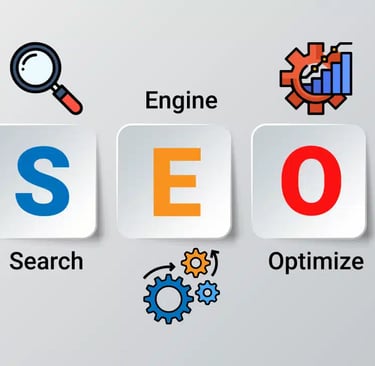
Understanding SEO and Its Importance
Search Engine Optimization (SEO) is a strategic framework designed to enhance the visibility and ranking of digital content on search engines. At its core, SEO encompasses various techniques and practices that optimize a website's structure, content, and overall user experience, making it more appealing to search engines like Google, Bing, and Yahoo. The importance of SEO cannot be overstated, as it plays a vital role in driving organic traffic to websites, which is essential for business growth and online presence.
When implemented effectively, SEO improves a site's chance of appearing at the top of search engine results pages (SERPs). This increased visibility is crucial because studies have shown that users tend to click on the first few results displayed. As a result, businesses that prioritize SEO are more likely to attract potential customers and generate leads. Furthermore, a well-optimized website enhances user engagement by providing relevant and high-quality content that meets the needs and expectations of the audience.
SEO is not limited to just improving visibility and traffic; it also contributes to building brand credibility. Websites that rank higher are often perceived as more trustworthy and authoritative in their respective niches. This credibility fosters customer loyalty, potentially increasing return visits to the website and nurturing long-term relationships with users.
In addition to its effects on visibility and credibility, SEO is integral to various digital services, including content marketing, social media marketing, and web development. By incorporating SEO strategies across these platforms, businesses can create a cohesive approach that not only drives traffic but also engages users effectively. As the digital landscape continues to evolve, understanding and applying SEO principles will remain a significant factor for any organization aiming to establish a robust online presence.
Key Elements of SEO Optimization
SEO optimization encompasses several key components essential for improving a website's visibility on search engines. Understanding these elements will enable content creators and marketers to effectively structure their articles for better organic reach. The fundamental aspects include keyword research, on-page SEO, off-page SEO, and technical SEO, all of which contribute to enhancing search engine rankings.
Keyword research is the cornerstone of any effective SEO strategy. This process involves identifying the terms and phrases that potential visitors are using to search for information related to your content. Using tools like Google Keyword Planner or SEMrush, an individual can discover keywords with a high search volume and low competition. Selecting the right keywords not only aids in targeting the appropriate audience but also plays a crucial role in driving relevant traffic to the website.
On-page SEO pertains to optimizing individual web pages to rank higher and earn more relevant traffic in search engines. This includes the strategic placement of keywords in the title, headings, meta descriptions, and body content. Moreover, high-quality content that engages users is vital. A well-structured article with clear headings, subheadings, and bullet points enhances readability, further improving SEO performance.
Off-page SEO focuses on activities outside the website that influence its ranking, such as backlinks and social media engagement. Building authoritative backlinks from reputable sites signals to search engines that your content is reliable and worth ranking. Lastly, technical SEO deals with the backend structure of a website, ensuring that it is crawlable and indexed effectively by search engines. This includes site speed, mobile-friendliness, and secure connections (HTTPS). Together, these elements form the foundation of a robust SEO strategy that can significantly boost a site's visibility and search engine ranking.
Crafting a Compelling Title and Meta Description
Creating a compelling title and meta description is essential for enhancing the SEO performance of your article. Firstly, the title serves as the first impression of your content, and it plays a critical role in attracting readers. An effective title should be concise, engaging, and incorporate relevant keywords that align with the content's focus. It is advisable to keep the title within 60 characters to ensure that it displays fully in search engine results.
When choosing keywords for your title, consider using primary and secondary terms that accurately describe the topic at hand. This not only helps search engines understand the content better but also aids readers in quickly recognizing its relevance. A well-formulated title could be structured as a question or a list, which tends to arouse curiosity and encourage clicks. Additionally, employing numbers, such as "5 Tips for SEO Success", can also make your title more appealing.
Complementing the title, the meta description provides a brief summary of the article content, usually limited to about 155-160 characters. While search engines may not use meta descriptions as a direct ranking factor, they play a significant role in influencing click-through rates. Thus, crafting an impactful and succinct meta description that highlights the article's key points while including the main keyword is critical. The meta description should be written in an informative yet persuasive tone, emphasizing the value readers can gain from the article.
Incorporating these techniques into your title and meta description will not only improve your article's SEO performance but also enhance its overall visibility and engagement with your target audience.
Creating a Structured Outline for Your Article
When crafting an article, beginning with a structured outline is paramount. An organized outline serves as a blueprint that provides clarity about the topic and ensures a logical flow of ideas. Properly structuring an article not only enhances readability but also positively influences search engine optimization (SEO). A well-structured article typically includes headings and subheadings that segment content into digestible parts, making it easier for readers to scan and comprehend the material.
Using headings effectively allows you to signal the hierarchy of information within your article. Each section should follow a coherent progression, guiding the reader through the narrative smoothly. By establishing clear headings, the reader can quickly identify key points and subtopics, facilitating a better understanding of the overall message. This segmentation is particularly important in the context of SEO, as search engines favor content that is clearly organized and easy to navigate.
Moreover, a concise outline aids in focusing your thoughts, helping you prioritize your key arguments and evidence. This kind of strategic organization not only boosts the efficiency of the writing process but also ensures the article remains on track, minimizing the risk of diverging into unrelated topics. Furthermore, structured articles tend to keep readers engaged for longer periods of time, reducing bounce rates and ultimately enhancing your site’s authority in search rankings.
In conclusion, an effective outline is essential for both crafting high-quality content and optimizing it for SEO. By organizing thoughts into a clear framework, utilizing headings, and ensuring a logical flow, writers can dramatically improve the readability and overall impact of their articles, thus attracting and retaining more readers.
Optimizing Content with Keywords and Links
In the realm of search engine optimization (SEO), the strategic incorporation of keywords and links has become paramount for enhancing article visibility. When optimizing content, it is crucial to seamlessly weave focus keywords into the text. This not only assists search engines in understanding the primary topic but also ensures that the content remains readable and engaging for the audience. To achieve this, writers should adhere to best practices, such as placing the primary keyword in the title, headers, and within the first 100 words. Keywords should also be spread throughout the article in a natural manner, maintaining balance and avoiding overuse, which can detract from the reading experience.
Keyword synonyms and related terms should also be incorporated to enhance semantic relevance. For instance, using variations or related phrases allows for a more organic flow of content and caters to different search intents. Furthermore, utilizing subheadings helps to organize information logically, making it easier for both readers and search engines to navigate through the article.
Linking is another critical component of effective SEO. Internal linking, which directs readers to other relevant content within the same website, improves the overall user experience and encourages longer site visits. This practice enhances site navigation and helps search engines index pages more efficiently. Additionally, including external links to authoritative resources can augment the credibility of the article. By referencing reputable digital services or research, writers provide valuable information while enhancing the trustworthiness of their content.
Ultimately, optimizing content with keywords and strategic linking not only improves SEO but also delivers a richer experience for readers. This methodology contributes to higher engagement rates and fosters a more informed audience, establishing the writer's authority in their domain.
Utilizing Images and Alt Text for SEO Benefits
Incorporating images into articles significantly enhances user engagement and contributes to the overall SEO strategy. Visual elements not only break up text, making content more digestible, but they also aid in conveying complex information effectively. To maximize the SEO benefits of images, it is imperative to utilize them strategically, focusing on image quality, relevance, and optimization.
When selecting images for an article, it is essential to choose visuals that are directly related to the content. Relevant images can capture the reader's attention and provide supplementary information that enriches the overall narrative. High-quality images in formats such as JPEG, PNG, or GIF can create a professional appearance, which is crucial for maintaining reader interest.
In addition to choosing the right images, optimizing the file names is a critical step often overlooked. Instead of using generic names like "IMG_1234.jpg," descriptive file names such as "best-practices-for-seo-article.jpg" provide context to search engines and improve indexing. Furthermore, utilizing appropriate alt text is vital for accessibility and SEO. Alt text not only describes the image for visually impaired users utilizing screen readers but also aids search engines in understanding the context of the image. A well-crafted alt text should be concise, relevant, and include targeted keywords when appropriate; however, it is crucial to avoid keyword stuffing as this can negatively impact search rankings.
By effectively integrating images and optimizing them with descriptive file names and thoughtful alt text, writers can enhance user experience while also improving their articles' visibility on search engines. This multifaceted approach not only serves the reader but ultimately leads to higher engagement and improved search engine results.
Analyzing and Adjusting for SEO Success
In the ever-evolving landscape of digital content, the significance of analytics in SEO optimization cannot be understated. To achieve optimal performance, it is essential to utilize various tools and metrics that provide insights into article performance. Platforms such as Google Analytics offer comprehensive data regarding visitors, their behavior, and the sources of traffic to your articles. By understanding where your audience is coming from, you can make informed decisions about how to adjust your content strategy.
Assessing the performance of your articles requires monitoring key performance indicators (KPIs) such as page views, average time on page, bounce rate, and conversion rates. These metrics can reveal valuable insights into how well your content resonates with your target audience. For instance, a high bounce rate may indicate that users are not finding the content engaging or relevant, prompting a need for revisions. Utilizing heatmaps can also illustrate user interaction patterns on your webpage, allowing you to determine which sections hold attention and which fall short.
Moreover, adjusting your content based on analytics is crucial for enhancing visibility and engagement in search engines. Implementing A/B testing can help assess variations of your articles—such as headlines or calls-to-action—by measuring performance differences. This data-driven approach allows for ongoing optimization, ultimately improving user experience and search engine rankings. Regularly reviewing organic traffic sources helps identify trends and areas where further SEO efforts are needed. By refining keywords based on user search behavior, it is possible to better align your articles with audience needs.
Consistent analysis and adjustments are mandatory steps in the SEO optimization journey, and leveraging analytics tools will ensure your content remains relevant and effectively drives traffic over time.
Services
Creation of your tailor-made digital presence.
Expertise
Digital
contact@syo-web.com
+212-664-918-498
© 2024. All rights reserved.