


Why Isn’t Your SEO Generating Any Traffic? A Complete Analysis
3/31/20268 min read
Understanding SEO and Its Importance
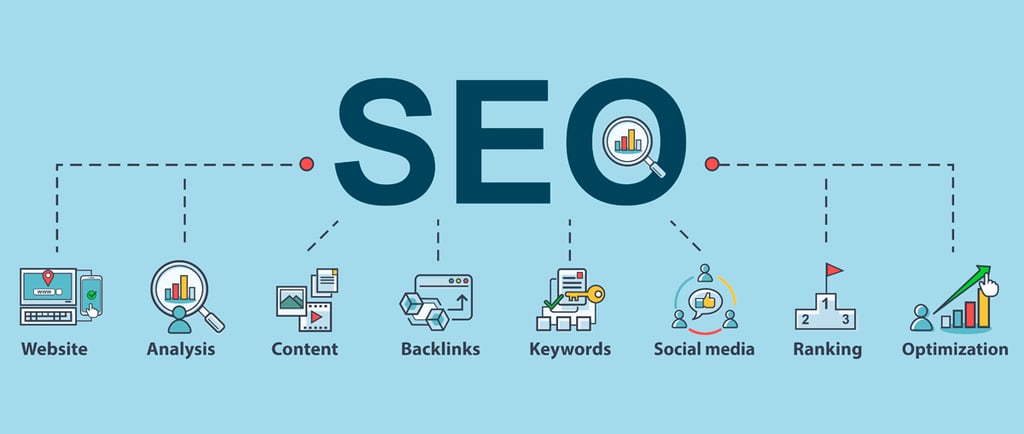
Search Engine Optimization (SEO) is a fundamental aspect of digital marketing that focuses on improving a website's visibility on search engines like Google. By optimizing various elements of a website, SEO aims to increase organic traffic, thereby enhancing the potential for conversions and customer engagement. Understanding how SEO works is crucial for any business seeking to establish a strong online presence.
At its core, SEO involves the strategic use of keywords, which are specific terms and phrases that potential customers use when searching for information online. By conducting thorough keyword research, businesses can identify the most relevant and high-traffic keywords to incorporate into their website content. Utilizing these keywords effectively helps search engines understand the nature of the content, ultimately determining its ranking in search results.
In addition to keywords, content quality plays a vital role in SEO. High-quality content not only addresses the needs and interests of the target audience but also meets the criteria set by search engines. Factors such as originality, relevance, and depth of information are essential in determining how well a website performs in search results. Content that is engaging and informative encourages visitors to spend more time on the site, which boosts its credibility in the eyes of search engines.
User experience (UX) is another critical component of SEO. A website that is easy to navigate, mobile-friendly, and has fast loading times contributes to a positive user experience. Search engines prioritize sites that provide a seamless experience to users, pushing them higher in search rankings. Therefore, optimizing for UX not only aids in retaining visitors but also signals to search engines that the website is trustworthy and valuable.
Overall, effective SEO not only helps generate traffic but also supports digital marketing initiatives by enhancing brand visibility and establishing authority in the industry. Companies that invest in comprehensive SEO strategies are more likely to see significant returns in terms of user engagement and business growth.
Common Reasons for Poor SEO Performance
SEO performance can often disappoint, and this can be attributed to several common pitfalls that websites encounter. One of the most prevalent issues is keyword stuffing. While the integration of relevant keywords is vital for optimization, excessive use can be detrimental. Search engines are designed to detect unnatural patterns within content, which may lead to penalties that could severely affect a site's ranking. Therefore, it is essential to balance the use of keywords with high-quality content to ensure relevance and readability.
Another critical aspect is the neglect of technical SEO elements. Factors such as page load speed, proper URLs, XML sitemaps, and secure HTTPS connections are fundamental to how search engines crawl and index sites. Ignoring these technicalities can create barriers to efficient indexing, thus preventing a website from reaching its full potential in search rankings. Regular audits to identify and rectify such technical issues are crucial for maintaining a robust SEO strategy.
A lack of quality inbound and outbound links can also undermine SEO efforts. Inbound links from reputable sources not only increase authority, but they can drive significant traffic as well. Similarly, outbound links to authoritative sites enhance the credibility of content. Websites that lack a strong linking strategy may find it challenging to establish trustworthiness and visibility online.
Lastly, with the increasing reliance on mobile devices, failing to optimize for mobile users can be detrimental. Search engines prioritize mobile-friendliness in their algorithms. If a website is not optimized for a smooth mobile experience, it risks alienating a large segment of potential users. Responsive design and mobile accessibility are essential components that can influence traffic positively.
Analyzing Your Current SEO Strategy
In order to understand why your SEO efforts are not yielding the expected traffic, it is crucial to conduct a thorough analysis of your current strategy. This encompasses examining performance metrics, keyword selections, and evaluating both on-page and off-page SEO techniques. First, utilize various SEO tracking tools, such as Google Analytics and SEMrush, to evaluate traffic sources, bounce rates, and conversion rates. These metrics provide insights into how effectively your current strategies resonate with your target audience and can highlight areas for improvement.
Next, analyze your keyword selection strategy. Evaluate the keywords you currently target and assess their search volume, competitiveness, and relevance to your content. It is important to incorporate a mix of both short-tail and long-tail keywords, as the latter often captures more specific search intents, which can lead to higher conversion rates. Additionally, consider the use of keyword research tools to help identify potential gaps in your current selection that may be hindering traffic.
Furthermore, a comprehensive evaluation of your on-page SEO is necessary. This includes examining elements such as title tags, meta descriptions, header tags, and internal linking structures. Each component should be optimized with relevant keywords while ensuring that they enhance the overall user experience. Off-page SEO strategies should not be overlooked either; analyze your backlink profile, social media engagement, and online reputation as they can significantly impact your site’s authority and search engine rankings.
By systematically evaluating these components of your SEO strategy, you will garner insights into what is working, what needs adjustment, and where there are opportunities to further optimize your approach. This analysis will set the foundation for improving your SEO efforts and, consequently, your website traffic.
The Role of Keyword Research in SEO Success
Keyword research is a foundational component of effective search engine optimization (SEO). It guides the content creation process by identifying relevant terms and phrases that potential customers use to search for products or services online. The primary goal of keyword research is to uncover high-traffic keywords that align with a website's objectives and audience intent.
To conduct comprehensive keyword research, one must utilize various tools such as Google Keyword Planner, SEMrush, and Ahrefs. These tools provide data on search volume, keyword difficulty, and competition analysis. The process typically begins with brainstorming a list of broad topics related to your niche, followed by refining these into specific, actionable keywords. This allows for the identification of opportunities within the market.
Focusing on long-tail keywords—phrases containing three or more words—is particularly advantageous for attracting targeted traffic. Long-tail keywords generally have lower search volume compared to their shorter counterparts; however, they often yield higher conversion rates due to their specificity. For instance, instead of targeting a broad keyword like "shoes," a more focused approach could involve phrases such as "best running shoes for flat feet". This specificity not only helps in better ranking within search engines but also connects with a more defined audience segment.
In selecting the right keywords, it is crucial to consider not just the traffic potential but also the relevance to your content and the intent behind users' searches. This alignment ensures that visitors who land on your site find what they are looking for, thereby reducing bounce rates and improving engagement. Thus, a well-planned keyword strategy is instrumental in driving meaningful traffic and achieving overall SEO success.
Technical SEO: The Backbone of Successful SEO
Technical SEO is a crucial component that plays a significant role in determining a website's visibility and overall traffic. When executed correctly, it ensures that search engines can easily crawl, index, and rank a website. A fundamental aspect of technical SEO is site speed. Users and search engines both prefer fast-loading pages; therefore, optimizing load times can reduce bounce rates, subsequently enhancing user engagement and potentially increasing organic traffic.
Additionally, mobile-friendliness has become increasingly important due to the rise of mobile internet usage. Google has embraced a mobile-first indexing approach, meaning that the mobile version of a website takes precedence over the desktop version in terms of search rankings. A responsive design that adapts to various screen sizes can greatly improve user experience and, in turn, boost website traffic.
Crawl errors can severely hinder a site’s visibility. These errors prevent search engines from accessing certain pages, which can result in missed indexing opportunities. Regularly monitoring and fixing these errors through tools like Google Search Console is essential. Furthermore, ensuring that an XML sitemap is up to date aids search engines in navigating a website’s structure, making it easier for them to index all-important pages effectively.
Structured data, or schema markup, is another key aspect of technical SEO that allows webmasters to provide additional context to their content. By implementing structured data, a website can enhance its search engine results with rich snippets, which can lead to increased click-through rates and, thus, more traffic.
In conclusion, paying attention to these technical SEO aspects — site speed, mobile compatibility, crawl management, XML sitemaps, and structured data — can provide a solid foundation for an effective SEO strategy, ultimately leading to increased website traffic and overall success in search engine rankings.
Content Quality and Relevance: SEO's Heartbeat
In the realm of search engine optimization (SEO), the quality and relevance of content serve as a fundamental pillar for driving organic traffic. High-quality content not only meets but also anticipates the needs and expectations of the target audience, thus aligning with user intent. Crafting content that resonates with users is essential to enhancing visibility in search engine results pages (SERPs).
One effective approach to create engaging content is to conduct thorough keyword research. Understanding the terms and phrases your audience uses can help in tailoring the content to address specific queries. Keywords should be naturally integrated into the text to maintain readability while enhancing discoverability. Equally important is the strategic placement of headings and subheadings, which can improve navigation and allow both users and search engines to comprehend the structure of the article.
Moreover, regularly updating content is crucial in maintaining relevance within a fast-paced digital landscape. Search engines favor websites that frequently refresh their content, indicating that the information is current and valuable. As a best practice, a periodic review of existing articles to add updated statistics, new insights, or related topics can significantly boost SEO performance.
Incorporating multimedia elements such as images, videos, and infographics can further enrich content quality. Visual aids not only enhance user engagement but they also provide additional signals to search engines regarding the relevance and depth of the content. For instance, optimizing images with descriptive alt text can improve visibility in image search results, driving more traffic to the website.
Ultimately, producing high-quality, relevant content is imperative for effective SEO. By focusing on user intent, keeping content up to date, and integrating diverse media elements, websites can better meet their audience's needs while also maximizing their potential for generating organic traffic.
Measuring SEO Success and Ongoing Optimization
Assessing the effectiveness of SEO strategies is crucial for any business seeking to increase its online presence. To accurately measure SEO success, businesses should leverage various metrics and analytics tools that provide insights into traffic patterns, user behavior, and conversion rates. Tools such as Google Analytics and SEMrush are invaluable for monitoring site performance and understanding how well different SEO tactics are working.
One key metric to evaluate is organic traffic, which refers to the visitors arriving at a website through search engine results. A consistent rise in organic traffic generally indicates that your SEO efforts are effective. Additionally, tracking the bounce rate—an indicator of how many visitors leave without engaging further—can highlight areas where content may require improvement or optimization. Low engagement often signals a need for more relevant or valuable content, urging adjustments to the targeted keywords or overall content strategy.
Conversion rates also serve as a critical metric for assessing the success of your SEO techniques. A conversion may vary depending on the business objectives—it could be a purchase, a newsletter sign-up, or a download. By analyzing the conversion rates associated with different landing pages, businesses can deduce which SEO strategies resonate with their audience. A drop in conversion might indicate an ineffective landing page, necessitating a review of both design and content.
Continuous optimization is essential in the evolving landscape of SEO. Regularly revisiting and adjusting SEO strategies based on these metrics ensures that your efforts remain aligned with user trends and search engine algorithm changes. Furthermore, a systematic approach to monitoring your analytics can improve understanding of customer needs and behaviors, leading to more informed decisions and ultimately, enhanced SEO results.
Services
Creation of your tailor-made digital presence.
Expertise
Digital
contact@syo-web.com
+212-664-918-498
© 2024. All rights reserved.