


How Long Does It Take to Rank on Google?
4/9/20268 min read
Understanding Google Ranking
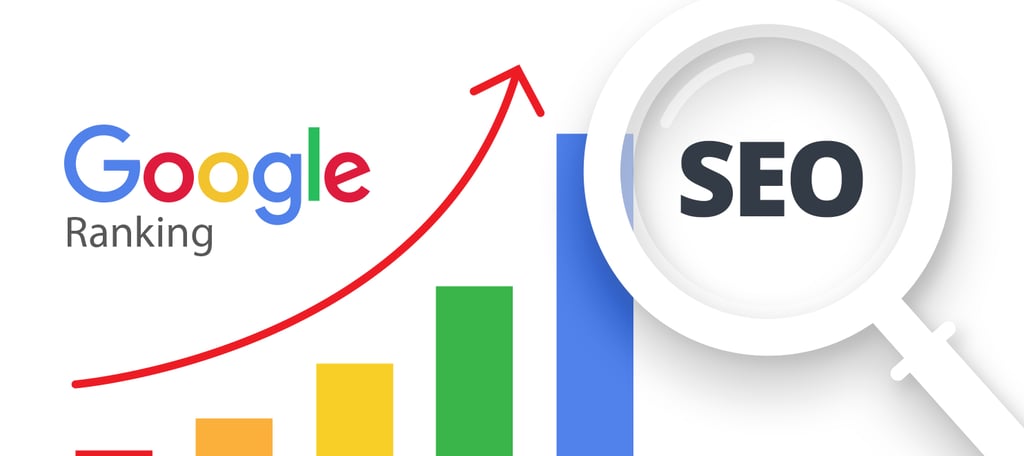
Google ranking refers to the position a website holds on Google’s search engine results pages (SERPs) for specific queries. The higher a site's ranking, the more visible it is to users searching for relevant information. Consequently, businesses and individuals strive to improve their rank to attract more organic traffic. The process through which Google evaluates and ranks web pages is complex and hinges on various factors, including content relevance, page structure, user experience, and backlinks.
At the core of this evaluation is the concept of Search Engine Optimization (SEO), which encompasses a multitude of techniques aimed at enhancing a website's visibility in search results. SEO is crucial for establishing a site’s authority and relevance on the internet. Google employs sophisticated algorithms that assess web pages against an array of criteria to determine the most relevant results for a given search query. The algorithms analyze factors such as keyword usage, the quality of backlinks, page load speed, mobile-friendliness, and user engagement metrics.
To successfully improve Google ranking, website owners must adopt fundamental principles of SEO. This includes conducting thorough keyword research to identify relevant terms that potential visitors are using, optimizing content by strategically placing these keywords, and ensuring that the website is structured correctly for search engines to crawl it effectively. Furthermore, generating high-quality backlinks from reputable sources enhances a webpage's credibility in the eyes of Google.
Therefore, understanding Google ranking is essential for anyone looking to enhance their online presence. Fostering strong SEO practices not only helps in achieving higher rankings but also ensures that content reaches the intended audience, ultimately driving business success.
Ranking on Google is influenced by a multitude of factors, each playing a significant role in determining how long it may take for a website to achieve a favorable position in search results. Understanding these factors is crucial for anyone looking to enhance their online visibility and drive organic traffic to their site.
One of the primary factors is the age of the website. Generally, older domains hold more authority in the eyes of search engines, as they have had more time to accumulate backlinks and organic traffic. This established credibility can aid significantly in ranking faster than newer sites, which typically require more effort to build trust and authority.
The level of competition within a specific niche also plays a critical role. In highly competitive fields, where numerous websites are vying for the top rankings, it may take longer for a new site to gain traction. Conversely, in less competitive niches, there might be a quicker path to visibility, provided the content quality and SEO strategies are effectively employed.
Another essential factor is the quality of the content on the website. High-quality, relevant content that addresses user intent tends to perform better on search engines. Well-researched articles, engaging multimedia elements, and optimized copy can contribute significantly to a site’s ranking potential. Moreover, effective SEO optimization techniques involving keyword usage, on-page SEO, and user experience enhancements can vastly improve the website's chances of ranking quicker.
Lastly, external factors, such as backlinks and social signals, significantly affect how long it takes for a site to rank on Google. Backlinks serve as endorsements from other authoritative sites, while social signals indicate user engagement and content relevance. Both can expedite the ranking process if properly cultivated and leveraged.
The Role of SEO Optimisation
Effective SEO optimisation is crucial for improving a website's visibility on Google and can significantly expedite the ranking process. By focusing on various strategies, website owners can enhance their online presence and achieve better results in search engine rankings.
One of the foundational aspects of SEO optimisation is keyword research. Understanding what keywords your target audience uses to search for your products or services is essential. This begins with identifying primary keywords that hold high relevance and search volume, while also considering long-tail keywords that may lead to more qualified traffic. Implementing these keywords throughout your content not only aids in ranking but also ensures it meets user intent.
On-page SEO practices further enhance site visibility. This involves optimising individual web pages to rank higher by adjusting elements such as meta tags, headers, and content quality. A well-structured site with descriptive tags and engaging content fosters a positive user experience, which is vital for maintaining low bounce rates and higher engagement.
Technical SEO cannot be overlooked either, as it deals with the backend structure of a website. Elements such as site speed, mobile-friendliness, and URL structure are key components. Google's algorithms favour websites that load quickly and provide a seamless experience, especially on mobile devices. Ensuring your website is technically sound can positively influence its ranking timeline.
Lastly, off-page SEO practices, such as link building and social media engagement, contribute significantly to authority and relevance. Building quality backlinks from reputable sites signals trustworthiness to search engines, which can improve your site’s rank over time. In summary, a multifaceted approach encompassing keyword research, on-page and technical SEO, along with off-page strategies, is essential to successfully fast-track your website's ranking on Google.
Common SEO Mistakes to Avoid
Search Engine Optimization (SEO) is a critical aspect of improving a website's visibility on search engines, particularly Google. However, there are several common mistakes that can significantly impede a site's ability to rank effectively. Recognizing and avoiding these pitfalls is essential for any website owner seeking better ranking prospects.
One prevalent error is over-optimization. This occurs when a website is excessively optimized for specific keywords, leading to unnatural content that may deter users and provoke penalties from search engines. Striking a balance between keyword integration and natural language is key to maintaining both visibility and user satisfaction.
Neglecting mobile responsiveness is another major mistake. With a significant percentage of users accessing the web via mobile devices, a website that is not optimized for mobile can lead to a poor user experience. Google has shifted to a mobile-first indexing approach, which means that if a website doesn’t display properly on mobile devices, it is unlikely to rank well.
Moreover, providing a poor user experience can severely impact a site’s ranking capabilities. Factors such as slow load times, difficult navigation, and overwhelming advertisements can frustrate users. Websites must focus on creating an intuitive and engaging layout to encourage longer visits, which signals to search engines that the site is valuable.
Lastly, utilizing outdated SEO practices can be detrimental. SEO is constantly evolving, and techniques that may have been effective in the past could now harm a site's ranking. For example, using keyword stuffing tactics or disregarding quality content in favor of quantity can result in penalties. Keeping abreast of the latest SEO trends and adjusting strategies accordingly is crucial for long-term success.
Timeframes: What to Expect
When it comes to understanding how long it takes to rank on Google, managing expectations is crucial. The timeframes for achieving a notable ranking can vary significantly based on several factors, including the type of website, the industry in question, and the competitiveness of keywords targeted. Generally, it is observed that new websites may take between 3 to 6 months to begin seeing favorable rankings, while established websites with existing authority might witness changes in as little as a few weeks.
For instance, blogs or niche sites that focus on less competitive, long-tail keywords often experience faster rankings, sometimes within 1 to 3 months. Conversely, competitive industries such as finance or healthcare may require a longer commitment of 6 to 12 months or more before reaching the coveted first page of search results. This disparity underscores the importance of understanding the competitive landscape of your specific niche.
Case studies further illuminate this variance in ranking timelines. A study involving a small eCommerce site attempting to rank for moderately competitive keywords revealed that after 4 months of consistent SEO efforts, the website achieved first-page rankings for several of its targeted phrases. In contrast, a well-established brand attempting to optimize for high-competition keywords took nearly a year before securing a top spot, despite having a robust website architecture and existing domain authority.
Ultimately, while striving for quicker results is reasonable, it is equally vital to remain patient and adaptable. Continuous efforts in content creation, link building, and overall SEO strategy refinement are essential steps that can influence how quickly a website climbs the ranks. With realistic expectations and a long-term focus, one can navigate the complexities of search engine rankings effectively.
The Importance of Patience and Consistency
In the realm of search engine optimization (SEO), patience and consistency are vital components of a successful strategy. Unlike immediate results that may occur through paid advertising, achieving a prominent position on Google requires time and ongoing effort. Search engine algorithms are designed to reward websites that continually provide valuable content and user-friendly experiences. Thus, regularly updating your website and improving SEO strategies is crucial for long-term success.
One fundamental aspect of patience in SEO is the time it takes for search engines to index new content. When fresh articles, pages, or updates are implemented, it may take weeks or even months for these changes to reflect in search rankings. Furthermore, the competitive nature of online markets means that consistent effort is necessary to maintain or improve rankings over time. Websites that remain stagnant risk falling behind competitors who actively invest in their SEO.
Moreover, continuous improvement entails analyzing data, refining keyword strategies, and adapting to changing trends within the industry. Engaging in consistent activities such as optimizing content for on-page SEO, improving load times, and refining mobile usability not only enhances user experience but also demonstrates to Google that your site is a reliable and relevant source of information.
Consistency also fosters brand authority and trust. Users are likely to revisit and engage with websites that regularly update their content and provide fresh insights. This leads to increased organic traffic and more opportunities for engagement and conversions. As a result, building a consistent publishing calendar for content can yield significant benefits over time.
Ultimately, the journey to achieving high rankings in Google is a marathon, not a sprint. Maintaining patience and consistent efforts can yield positive outcomes, leading to improved search engine visibility and website traffic.
Leveraging Digital Services for SEO Success
In the competitive landscape of digital marketing, leveraging professional digital services can significantly enhance your search engine optimization (SEO) outcomes. Engaging with experts who specialize in SEO strategies can provide businesses with the insights and techniques needed to navigate the complexities of Google’s ranking algorithms effectively. Professional SEO services utilize various tools and methodologies to analyze a website’s performance and identify areas for improvement, which can lead to enhanced visibility and ranking on search engine results pages.
One of the key advantages of using digital services for SEO is their ability to create tailored strategies that address specific business needs. This customization ensures that the efforts align with the unique goals and target audience of the business. Additionally, these services often incorporate advanced analytics to monitor ongoing performance and make necessary adjustments in real-time. Continuous optimization is essential in maintaining and improving rankings on Google, as search algorithms frequently evolve. Therefore, having a dedicated team to handle these changes can save time and optimize resources for businesses.
Moreover, many digital service providers offer comprehensive packages that include content creation, link-building strategies, and technical SEO. These integrated elements are crucial because Google considers various factors such as content quality, site structure, and the number of quality backlinks when determining rankings. To effectively improve your SEO results, it is prudent to partner with trusted professionals who can provide ongoing support and expertise.
For those seeking to explore effective SEO services, a variety of resources are available. Websites like Moz and SEMrush offer valuable insights into optimization techniques and strategies that can help businesses enhance their online presence. By carefully considering the options available and investing in the right digital services, businesses can pave the way for successful SEO outcomes and ensure they remain competitive in the digital realm.
Services
Creation of your tailor-made digital presence.
Expertise
Digital
contact@syo-web.com
+212-664-918-498
© 2024. All rights reserved.